The spontaneous movement in all of us is toward connection, health, and aliveness.
Laurence Heller
Shiatsu Therapy
Our bodies carry memories, stories of joy, pain, love, and loss. Prolonged stress, impactful life events, or unresolved emotions often leave traces in the body, manifesting as pain, tension, or fatigue that may not have a clear physical cause. Shiatsu is a form of manual therapy that uses gentle pressure to support the body’s natural flow of energy.
In trauma-informed shiatsu, the focus is on slowing down the pace, attuning to what your body can allow in that moment, and supporting integration.
How it works
In Eastern medicine, the body is understood as a network of energy flows, known as meridians. These connect with the organs, the nervous system, and emotions. Unprocessed experiences and unconscious patterns can interrupt the natural flow of your life energy. This may show up in different ways, both physically and emotionally. With gentle touch, mobilizations, and craniosacral listening techniques, your body is invited to release tension and naturally return to balance.
What to expect in a session
A session begins with an orienting conversation in which you can share what you would like to take from the session. Your intention forms the guiding thread in our work together. From there, we work in a body-oriented way, attuning to what presents itself in the moment.
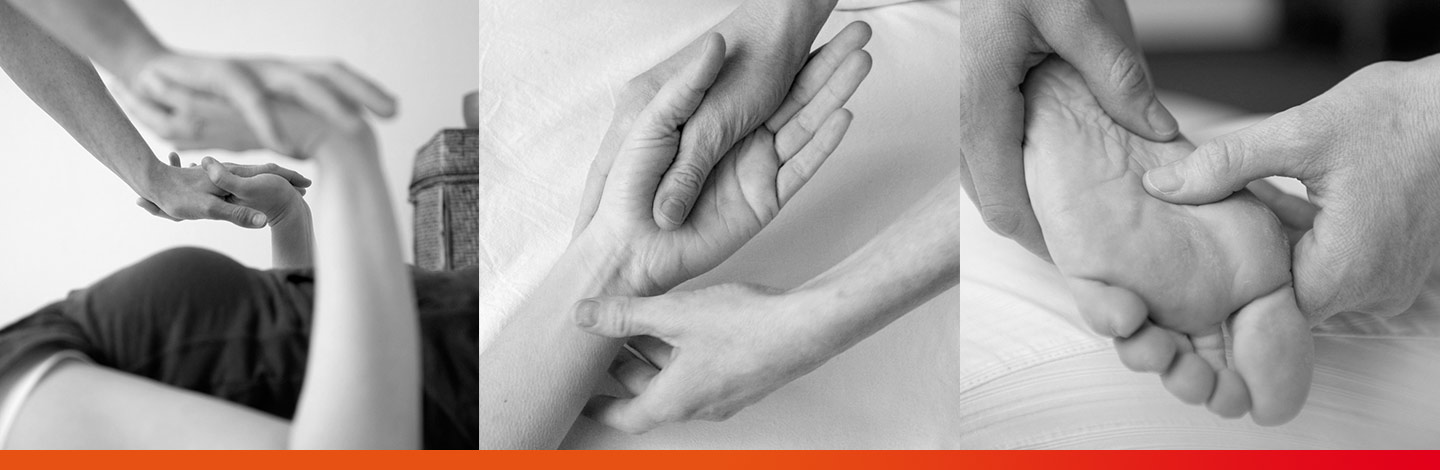
You then lie fully clothed on a massage table with a soft topper. The touch is offered at a slow, attentive pace, inviting awareness and sensing. There is space to notice subtle sensations, responses, and movements in your body, and to pause with what these may mean for you. We follow what reveals itself from within, without forcing anything. Everything is welcome, nothing is required.
When to choose Shiatsu therapy?
- For releasing long-held tensions and stress patterns.
- If you experience physical complaints such as fatigue, muscle or joint pain, sleep issues, headaches, or digestive problems.
- When dealing with persistent worries, overthinking, or restlessness.
- For unexplained symptoms (MUS – Medically Unexplained Symptoms).
- To relieve and support chronic conditions, helping you feel better overall.
Practical
- The number of sessions you need varies and depends on your specific situation and the symptoms you are experiencing.
- Most health insurance companies partially reimburse shiatsu therapy.